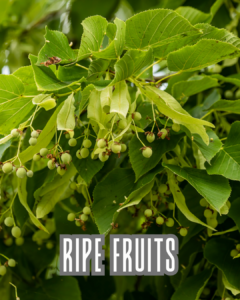
Tilia americana blooms in June, oftentimes attracting enough bees that their buzzing can be heard from several feet away! Honey made from American basswood flowers is a prized gourmet item. Chipmunks, mice, and squirrels feed on the tree’s seeds, while rabbits and voles feed on its bark.
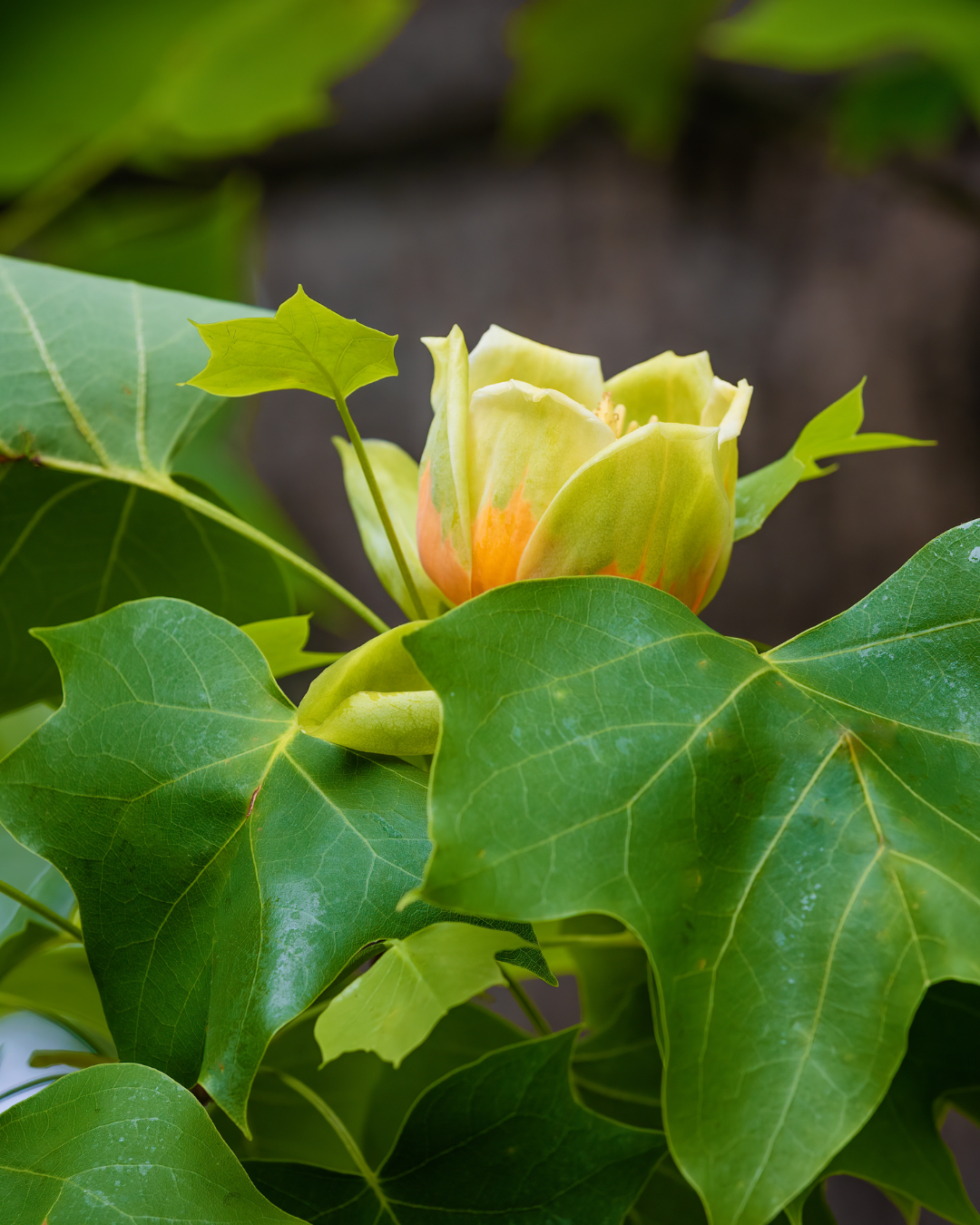
Tulip tree close up
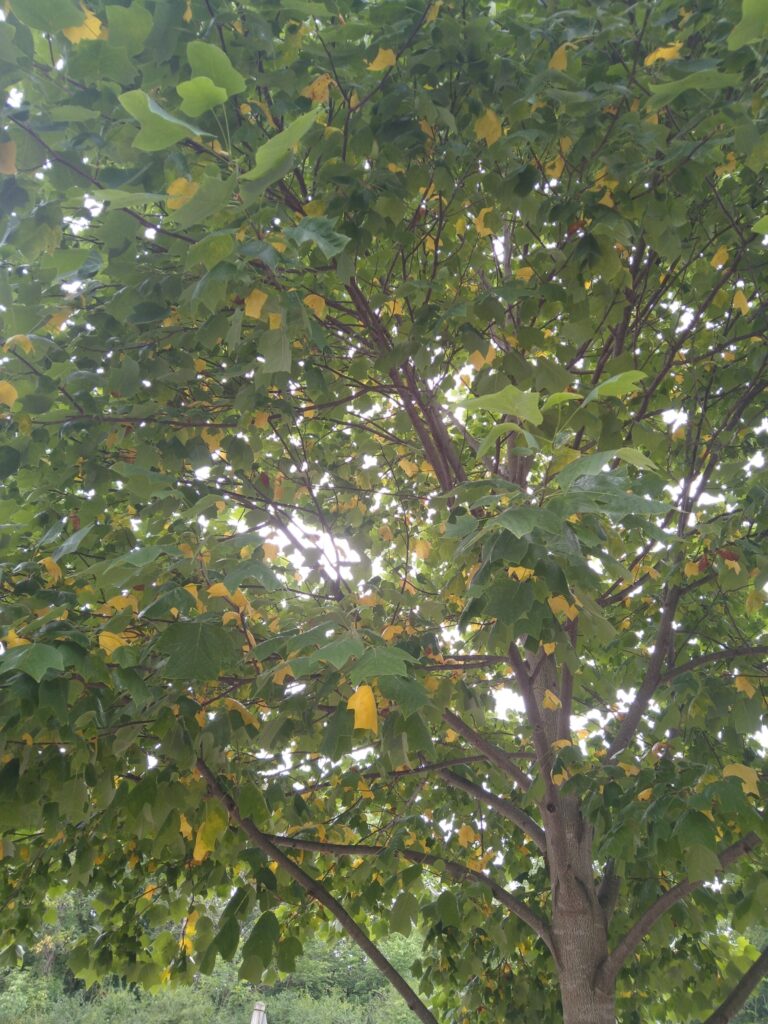
Tulip tree
Why observe?
Liriodendron tulipifera is Indiana’s state tree.
The tulip poplar is planted for reforestation purposes because of its rapid growth and the commercial importance of its wood, and is often planted as an ornamental.
This species has some wildlife value. The fruits provide food for squirrels in the late fall and winter months, and the white-tailed deer often browse on the twigs.
How to Identify
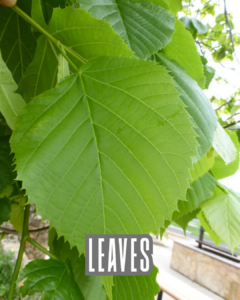
LEAVES Up to 10 inches long, 3-6 inches wide, simple, alternately arranged, with coarsely serrated margins. Young leaves have downy undersides that smooth with age
TWIGS Smooth and reddish-green, becoming light gray in their second year and eventually dark brown or brownish gray
FLOWERS Small, greenish-white to creamy white to yellow, grouped into loose, pendulous clusters
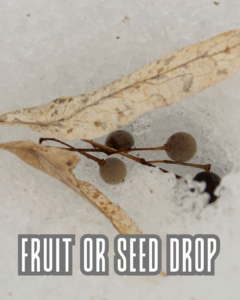
FRUIT Small and nut-like, changing from green to brown or reddish-brown
YOUNG BARK Gray-green, smooth, and thin
AGED BARK Gray to light brown, with narrow, well defined fissures
MATURE HEIGHT 40-130 feet
Leaves
Flowers
Fruits
Leaves
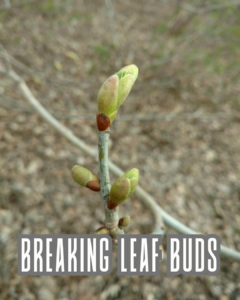
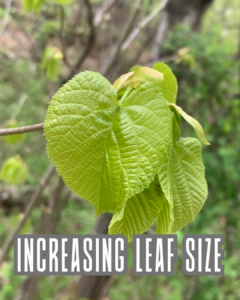
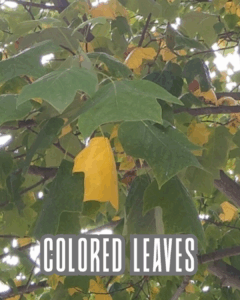
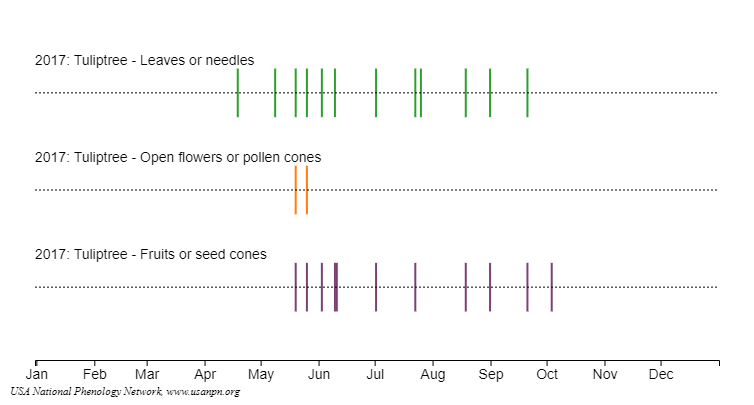
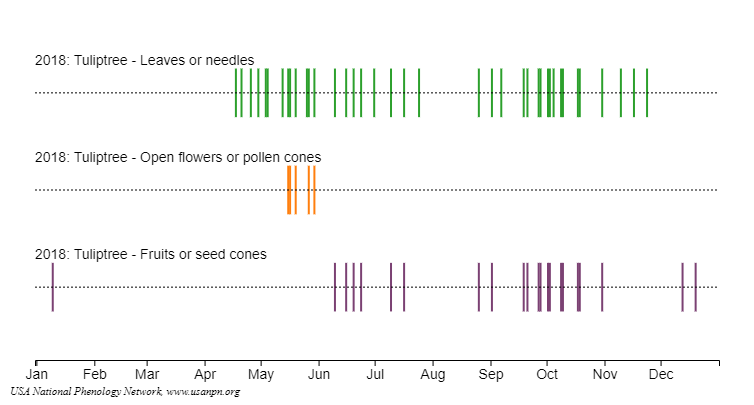
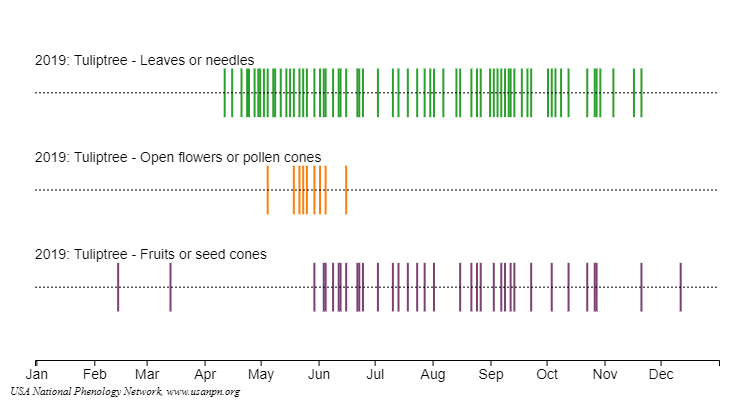
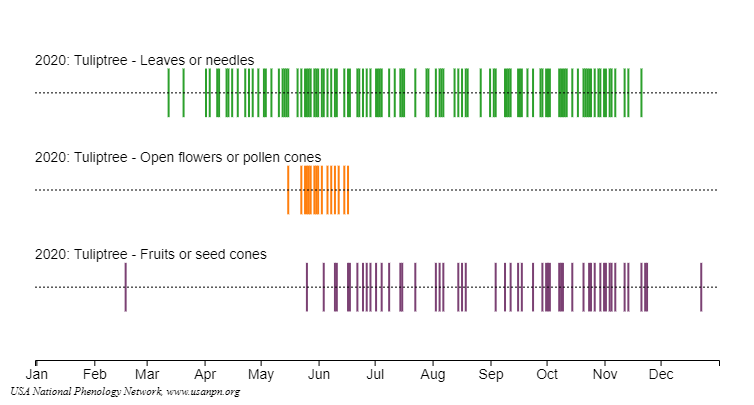
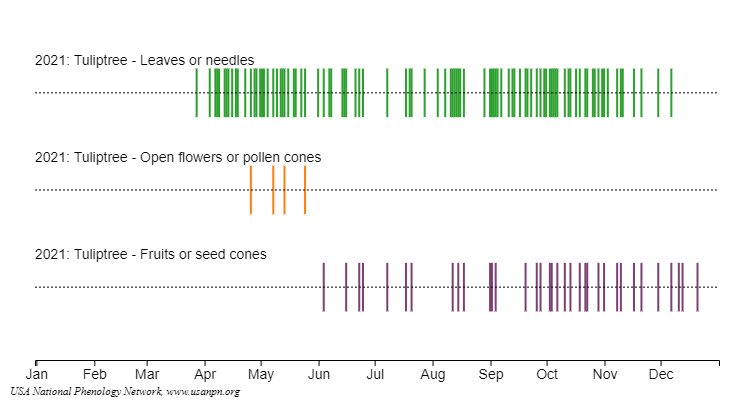
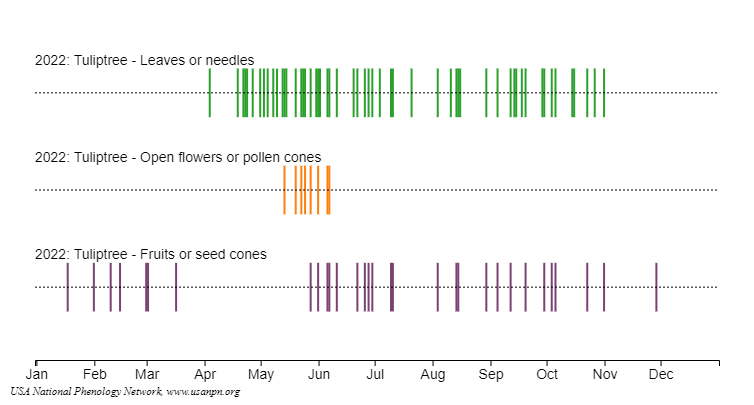
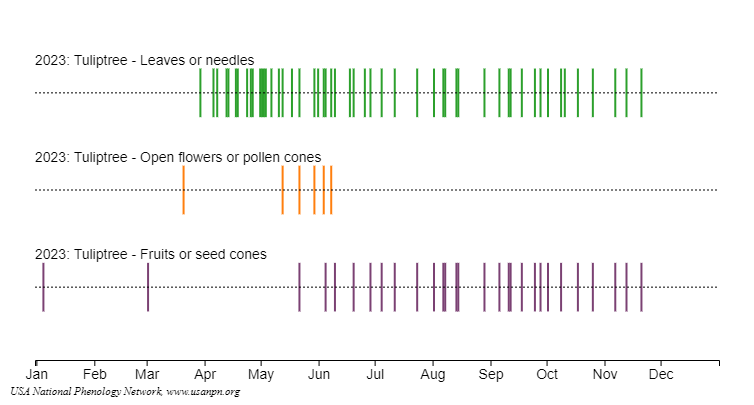
A leaf bud is considered “breaking” once a green leaf tip is visible at the end of the bud, but before the first leaf from the bud has unfolded to expose the leaf stalk (petiole) or leaf base. A leaf is considered “unfolded” once its entire length has emerged from a breaking bud, stem node or growing stem tip, so that the leaf stalk (petiole) or leaf base is visible at its point of attachment to the stem. A leaf is considered to be “increasing” until it reaches its full size.A leaf is considered “colored” when it shows some typical late-season (fall) color, or yellow or brown due to drought or other stresses.
Flowers
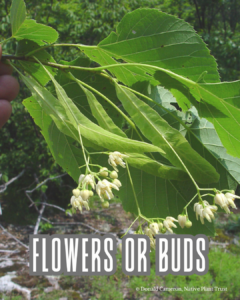
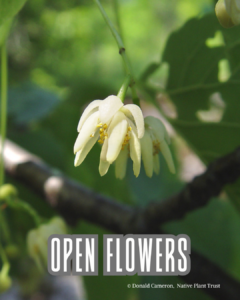
The flower or flower buds stage begins when tightly closed buds begin to actively swell or expand. Flowers are considered “open” when the reproductive parts (male stamens or female pistils) are visible between or within unfolded or open flower parts (petals, floral tubes or sepals).
Fruits
Fruits vary widely by species. Ripe fruits may fall from a plant on their own or may be removed by wildlife.