Quercusmacrocarpa Bur oak, sometimes called mossycup oak, the bur oak is regarded as one of the most majestic oaks native to North America. The bur oak’s specific epithet macrocarpa means “large fruit” in reference to its large acorns, which are an important food source for wildlife. Like most oaks, this species is long-lived, typically 200-300 years.
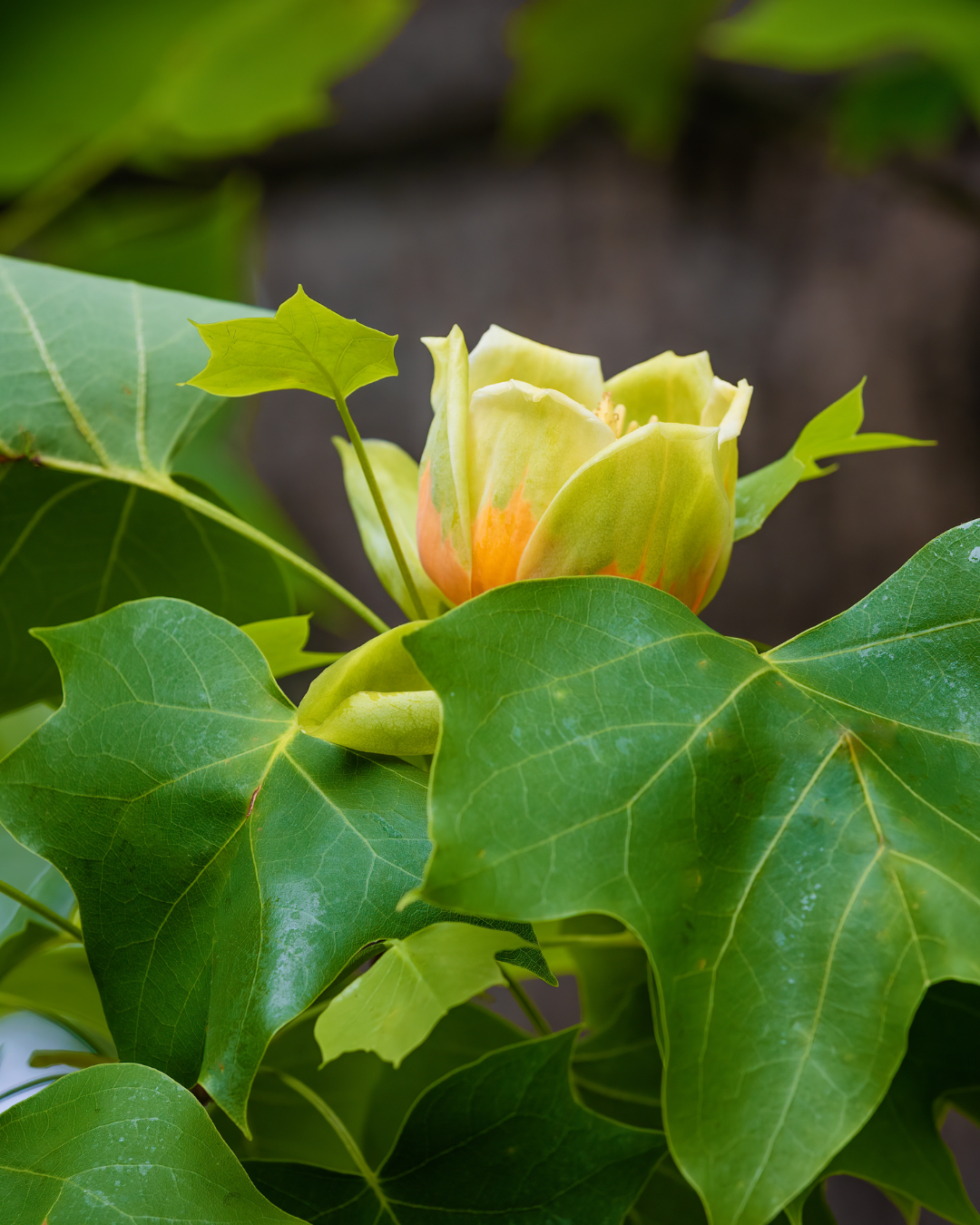
Tulip tree close up
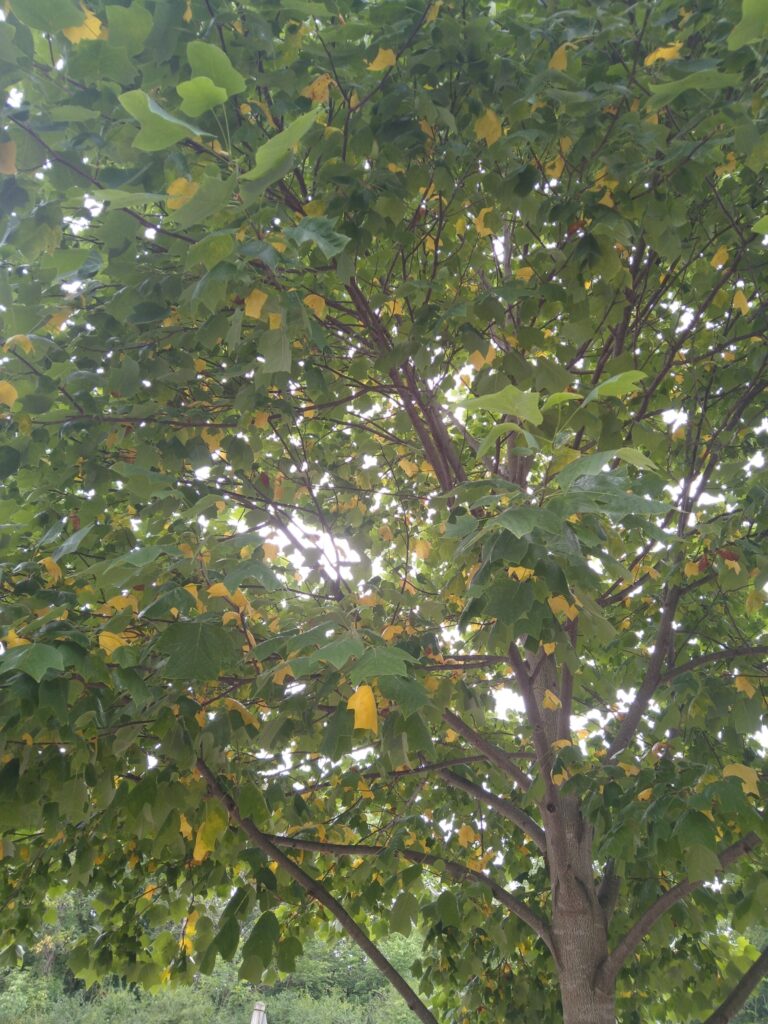
Tulip tree
Why observe?
Liriodendron tulipifera is Indiana’s state tree.
The tulip poplar is planted for reforestation purposes because of its rapid growth and the commercial importance of its wood, and is often planted as an ornamental.
This species has some wildlife value. The fruits provide food for squirrels in the late fall and winter months, and the white-tailed deer often browse on the twigs.
How to Identify
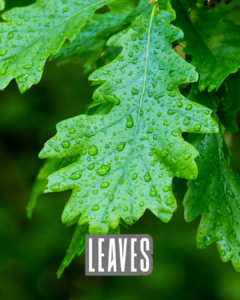
LEAVES 6-12 inches long, 3-6 inches wide, green, elliptical, deeply lobed, with a leathery feel
TWIGS Quite stout, yellow-brown, often with corky ridges
FLOWERS The male inflorescence is a catkin which is initially compact and stiff, but eventually unfolds to become longer and hang loosely from the branch. Female flowers are very small and petal-less, emerging from the growing stem at the point where a new leaf is attached
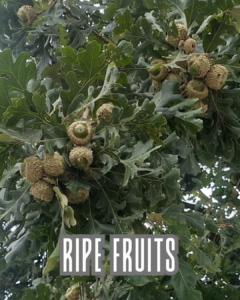
FRUIT A nut (acorn), partially covered with a “cap”, that changes from green to light brown, dark red brown or dark grayish
YOUNGBARK Gray-brown to brown and often rather corky with flat elevated ridges
AGEDBARK Gray, very deeply furrowed and grooved, with vertical, flattened, narrow ridges
MATUREHEIGHT 70-100 feet
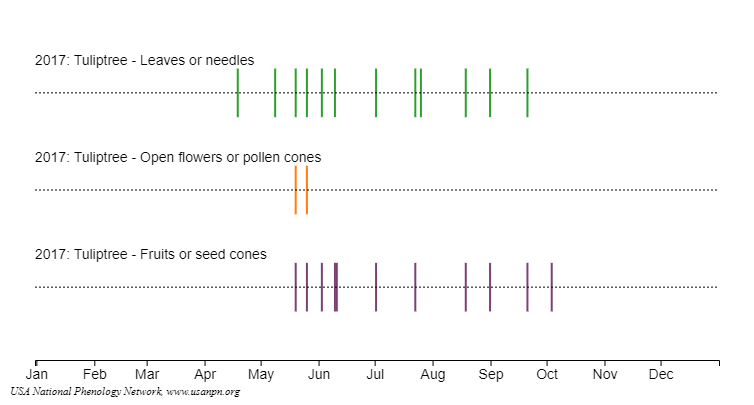
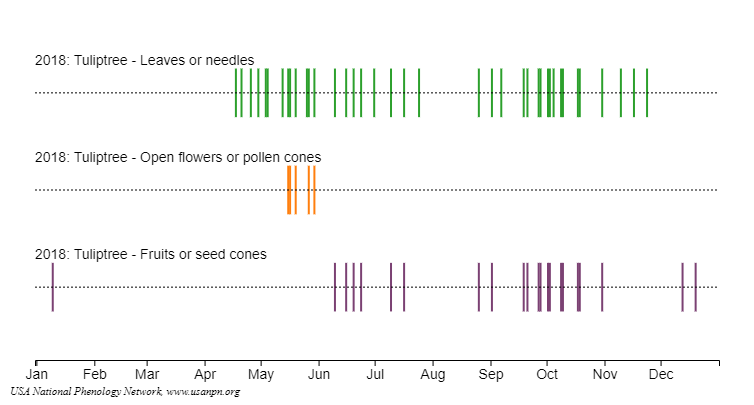
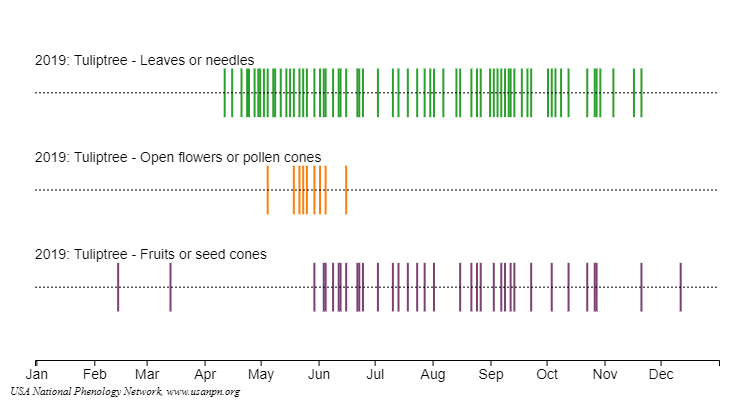
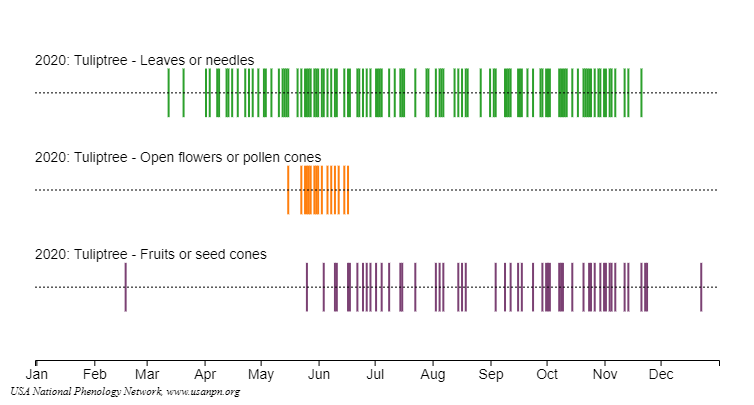
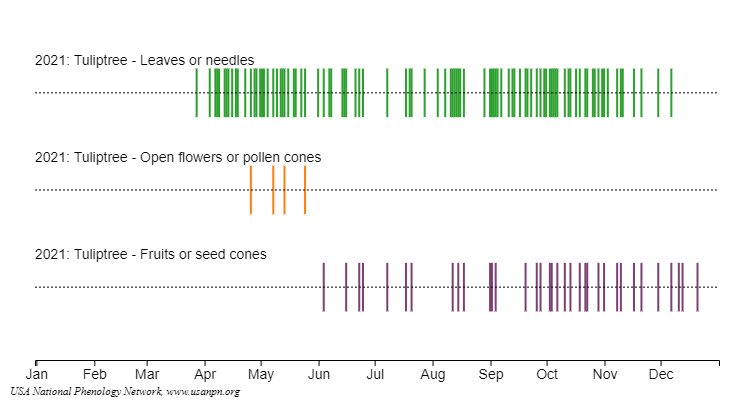
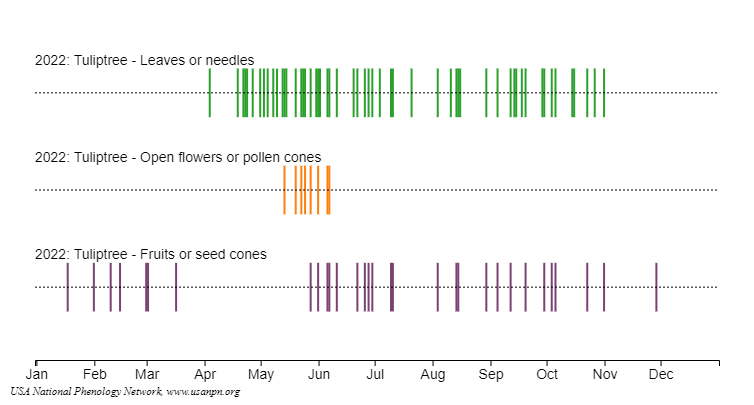
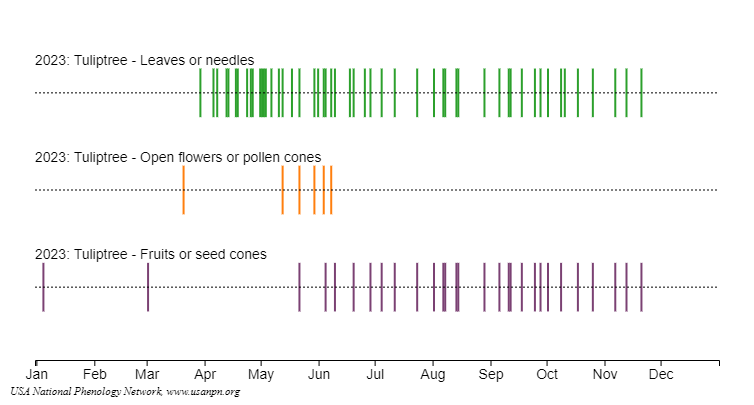
Leaves
Flowers
Fruits
Leaves
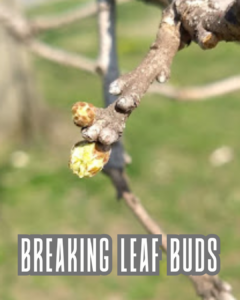
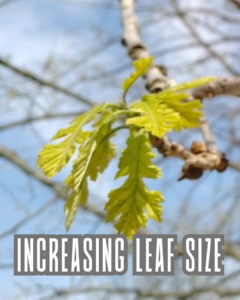
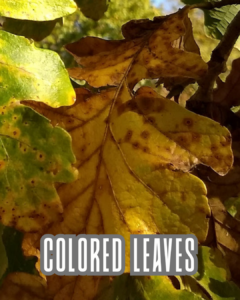
A leaf bud is considered “breaking” once a green leaf tip is visible at the end of the bud, but before the first leaf from the bud has unfolded to expose the leaf stalk (petiole) or leaf base. A leaf is considered “unfolded” once its entire length has emerged from a breaking bud, stem node or growing stem tip, so that the leaf stalk (petiole) or leaf base is visible at its point of attachment to the stem. A leaf is considered to be “increasing” until it reaches its full size. A leaf is considered “colored” when it shows some typical late-season (fall) color, or yellow or brown due to drought or other stresses.
Flowers
Flower buds The flower or flower buds stage begins when tightly closed buds begin to actively swell or expand.